Our Past Glory
Reconstruction of Tisza Castle, Geszt
Architects: András Katona, András Zakariás, Tamás Zakariás
Text: Eszter Götz, Domonkos Wettstein
Photos: Balázs Danyi
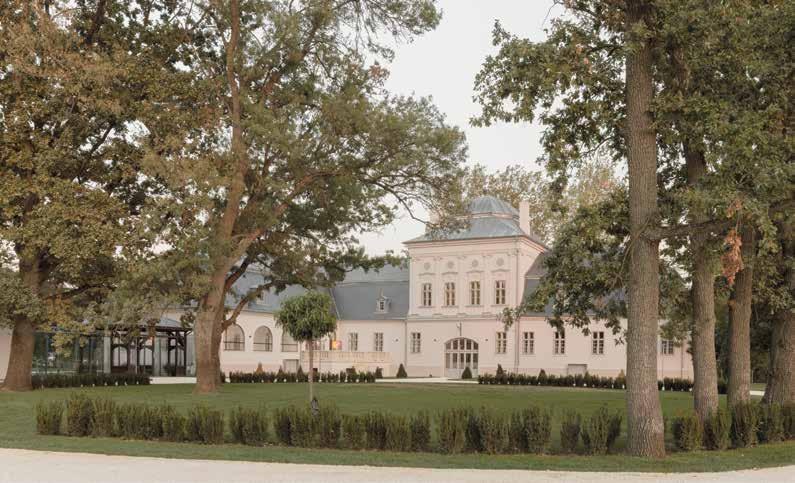
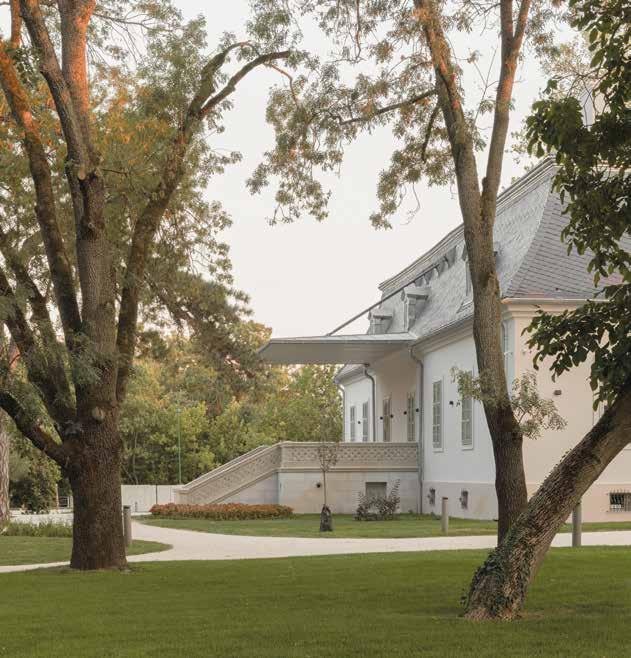
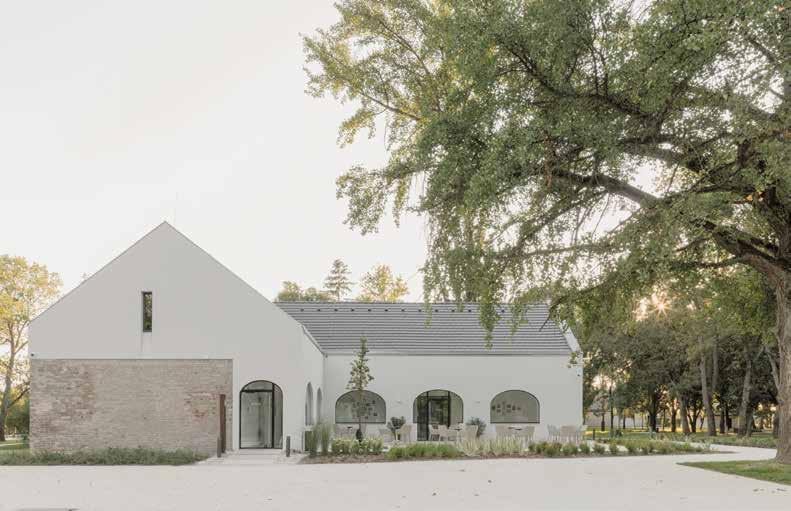
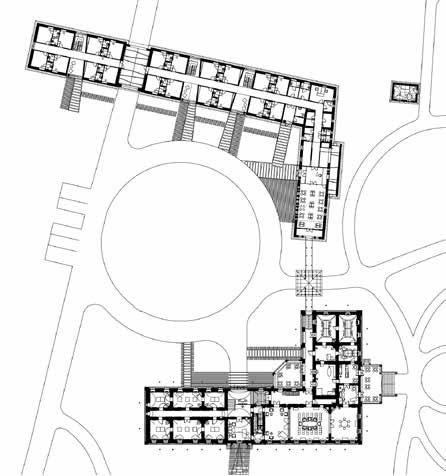
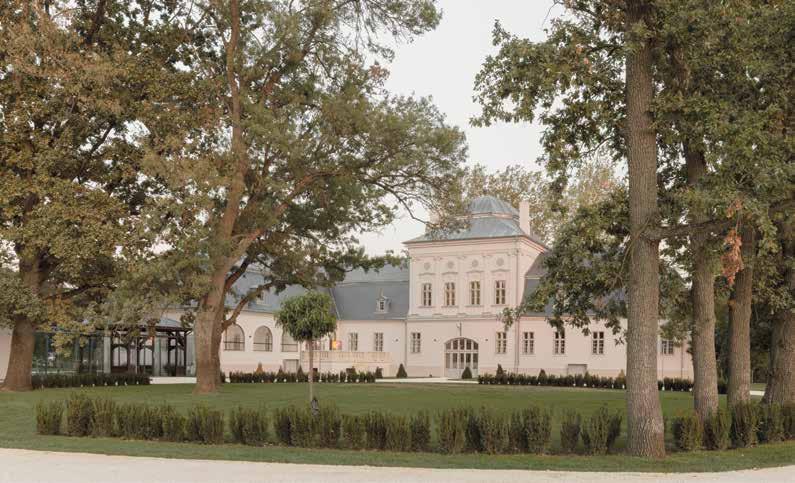
It took nine years of comprehensive development within the framework of the National Castle Programme to open the Tisza Castle in Geszt, the ancient home of the Tisza family, in the summer of 2024, after an exemplary renovation of both the exterior and interior. As part of the complex project, the park of the castle was renewed and made complete with multifunctional sports fields, the János Arany Guest House with 29 rooms was built, and an exhibition on the family’s history was also created. The three-storey, representative Baroque-style and tasseled castle now stands in a cul-de-sac village of just over 600 inhabitants a few kilometres from the Romanian border, and yet it once gave Hungary two prime ministers. The castle was built by László Tisza between 1766 and 1772 on the estate of Queen Maria Theresa in Geszt, when it was still a single-floor Baroque mansion.
It took on its present form and dimensions in the early 1800s, when the central part of the main wing of the castle, the pavilion above the carriage drive-way, which already shows classicist features, and the elegant, geometric walkways surrounding the castle, were completed. In 1944 it was looted and destroyed by Romanian and Soviet troops. After nationalisation, a primary school, a community centre and a municipal library were housed within its walls. The concept of the development now completed focuses on heritage mediation and contemporary uses.
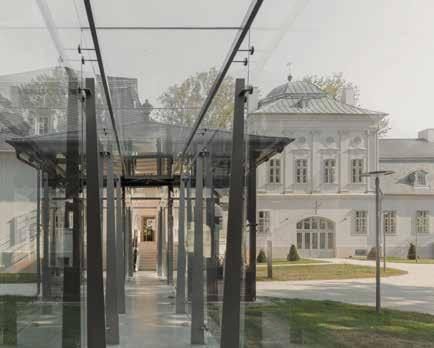
The aim of the project was not only to save and authentically reconstruct the building, but also to raise public awareness of the lifestyle and culture of a rural aristocratic family that played a significant role in the country’s history, while at the same time bringing the historic site to life with a contemporary function. A well-hierarchised and finely coordinated system of contemporary and historical elements has put the Geszti castle complex back on the map of national memory.
Lead architects: András Katona, András Zakariás, Tamás Zakariás
Architects: Zoltán Vámos, Richárd Sánta, Mária Flóra Takács, Mónika Maróty, László Nagy, Botond Csáji, Emőke Kisspál, Márta Jung, Noémi Boros, Gergő Bella, Gábor Pfiegel, Sándor Mezei, Levente Szász
Monument history experts: Zorán Vukoszávlyev, Gergely Nagy
Painting restoration: Dóra Verebes
Interieurs, artifacts arrangements: Márton Sztojanovits
Structure: József Schreiber†, Lilla Hetesi, Zoltán Csákvári, Csaba Kovács, Gábor Cséfalvay
Glass structures: György Stocker
HVAC: Pál Gábor, Kristóf Hargita
Electrical engineering: Márton Taraj
Fire protection: János Bihari, Dániel Danók
Landscape: Adrienn Szászné Várkonyi Dr