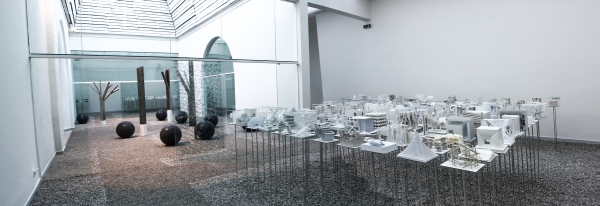
The Hungarian Pavilion at the 13th Venice International Architecture Biennale
Opening speech by: Gábor Gulyás
FUGA
Budapest
15th February 2013, 6 p.m.
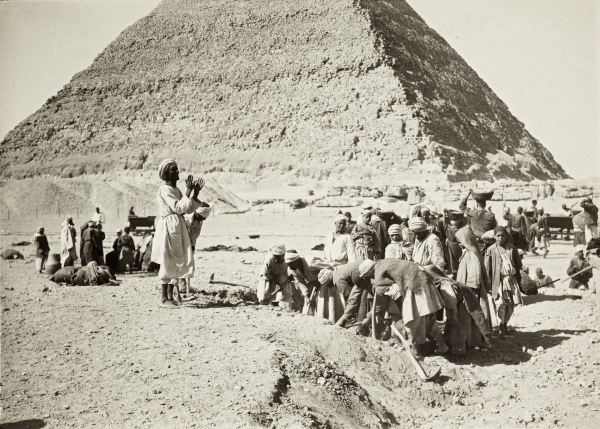
In the Shadow of the Pyramids
The Austrian Excavations at Giza (1912-1929)
Kunsthistorisches Museum, Vienna, 22th January – 20th May 2013
In January 1912 an Austrian excavation team began to uncover the first mastaba tombs near the Pyramids of Giza. The campaigns brought to light numerous artworks and objects documenting the cultural history of…
Parallel lands IV.
Exhibition of the Department of Public Building Design, Residential Building, Industrial and Agricultural Building Design and Urban Studies of Budapest University of Technology and Economics
FUGA, Budapest 7th February 2013, 6 p.m.
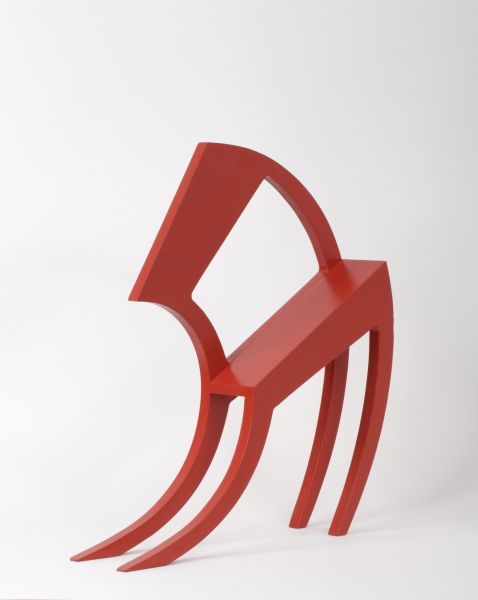
Stefan Wewerka
Polyfunctionality and deconstruction of everyday objects, irony and humour as weapons and moments of profound insight: these are some of the ideas behind the works by the architect, designer, sculptor and film-maker, Stefan Wewerka (born in 1928, in Magdeburg). In his works, Wewerka pushes against conventional concepts relating to …
The Architect – History and Present of a Profession
Although building is one of the oldest occupations of mankind and architecture is regarded as the mother of arts, the architect’s work and the historical development of the profession are well-known only by a few. An extensive exhibition demonstrates the many changes of the occupational profile, from master builder to artist and from constructing engineer…
Looking for YU
In the interwar period the central power supported the character, the supposed spirituality and the architectural equivalent of the „Yugoslavian ancient race” with neo-Byzantine motifs. Massive monuments, quasi-Byzantine public buildings were erected in the age of the Bauhaus. However, in practice the western and central part of the county…
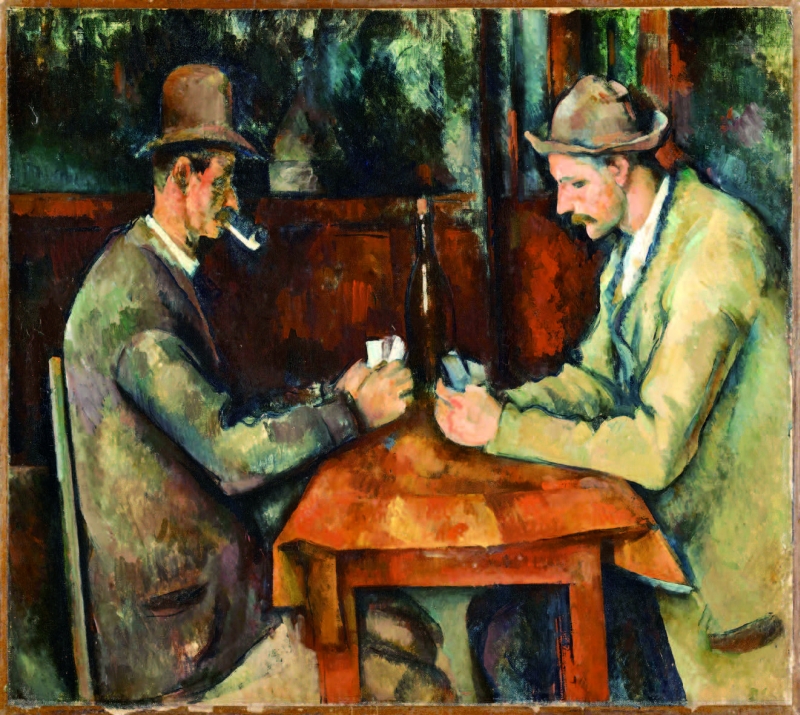
Cézanne and the Past
In our exhibition we wish to present an overview of Paul Cézanne’s oeuvre and his approach to the past through some eighty to one hundred paintings, drawings and watercolours by the artist supplemented by thirty to forty works (paintings, sculptures, gypsum copies, prints and illuminated books) by sixteenth-nineteenth-century masters.
Druot, Lacaton & Vassal
Ha lerombolunk egy régi épületet és a helyére egy másikat húzunk föl, kortárs karakterrel, azzal semmit nem nyerünk – írta egy tanulmányában három világszerte ismert francia építész: Frédéric Druot, Anne Lacaton and Jean-Philippe Vassal.
World Models
What does the notion of the studio mean today? Is it the locus of artistic creativity, the most natural environment for experimenting and for the creative process? The mysterious place of the creation of the WORK? A refuge and a stage for private rites and rituals? A space consecrated by the artist’s presence, and the place of his or her everyday life…
dOCUMENTA (13)- Magyar részvétel
A dOCUMENTA (13) az elkötelezett, különböző ügyeket felvállaló és azok mentén bátran állást foglaló, a teóriával aktív kapcsolatot ápoló művészi gyakorlatokat állítja középpontba. Olyan területeket érint, ahol a politika, a művészet és a tudományok szétválaszthatatlanok. Teszi ezt teljességre törekvő, nem a nyelv elsődlegességén alapuló megközelítéssel, mely szkeptikus a gazdasági növekedésbe vetett hittel.
35 év Telkibányától Szerencsig (1976 – 2012)
A Szerencsi Nemzetközi Iskola és Művésztelep kiállítása
FUGA Budapesti Építészeti Központ
Megtekinthető: 2012. 06. 18. – 09. 03.
Ha végigtekintek ezen a kis bemutatón, akkor is látom, hogy megannyi fiatalt neveltem igai művésszé, hogy fiaim méltán vannak a világ legjobbjai között. /Fajó János/
Robot Museum
The exhibition Robot Museum includes fields such as interactivity, robotics, informatics and multimedia. It’s the first comprehensive exhibition of this part of contemporary Slovenian art. The project involves exploration, production and exhibition of robots and their cultural content, as well as software-art, intermedia installations and performance.