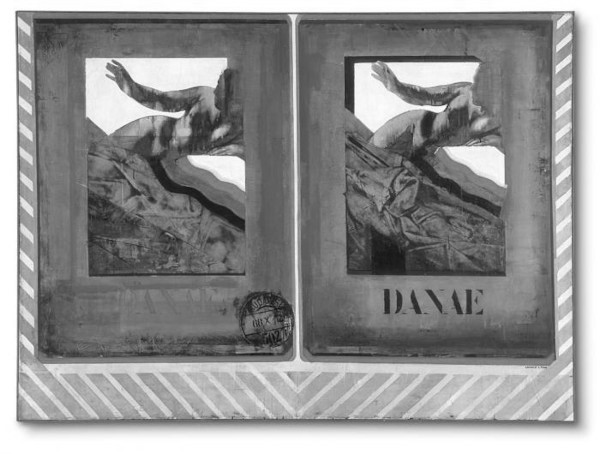
Imre Makovecz: Experiments – Buildings. The Architecture and Artworks of Imre Makovecz in the 1960s and 1970s
Text: Katalin Keserü
The architecture and artworks fine art of Imre Makovecz – and primarily the early period of his school – as well as its monographic processing and analysis have remained virtually unknown so far. Katalin Keserü’s study undertook the task of revealing them, focusing on the 1960s and 1970s. Back in the 1960s, with Modernism regaining strength in Eastern Europe, Makovecz believed that architecture should once again become an art form. This meant nothing less than the promise of a new concept of architecture and, at the same time, the long-overdue transcendence of stylistic history. The subject of architecture is space — with its many alternatives — the most important vector of interpretation of which is the architectural grasp of symbols. For Makovecz all this meant an artistic and experimental search for new paths. Together with artists representing other genres and branches of art, they explored the possibilities of the artistic creative process through both theoretical-conceptual and physical (bodily) experiments. They analysed the most fundamental relationships between humans and their homes in an experimental way. This led to Makovecz’s buildings having a live character: they are actually living pieces of architecture, works of art with a presence. Parallel to and in the spirit of several prominent 20th-century and/or contemporary intellectual and philosophical movements — such as anthroposophy and phenomenology — they offer visual experiences and sensations.